
Why Movement Matters for Seniors


Why Movement Matters for Seniors: Small Steps Toward Better Health, Balance, and Independence
At VIP Seniors Rancho, we believe wellness is not just about appointments, medications, or checkups. It is also about the everyday habits that help seniors stay strong, connected, confident, and independent.
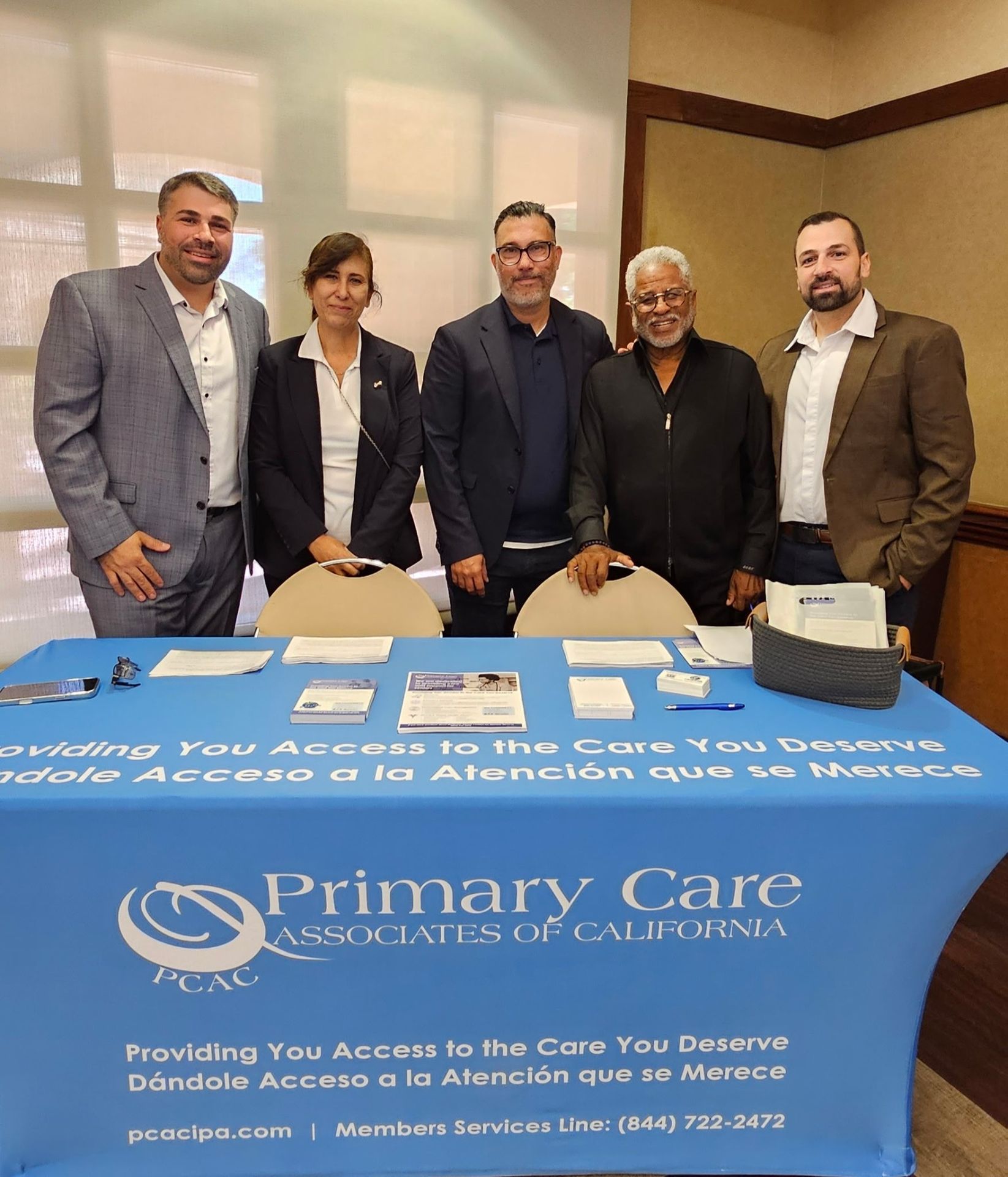
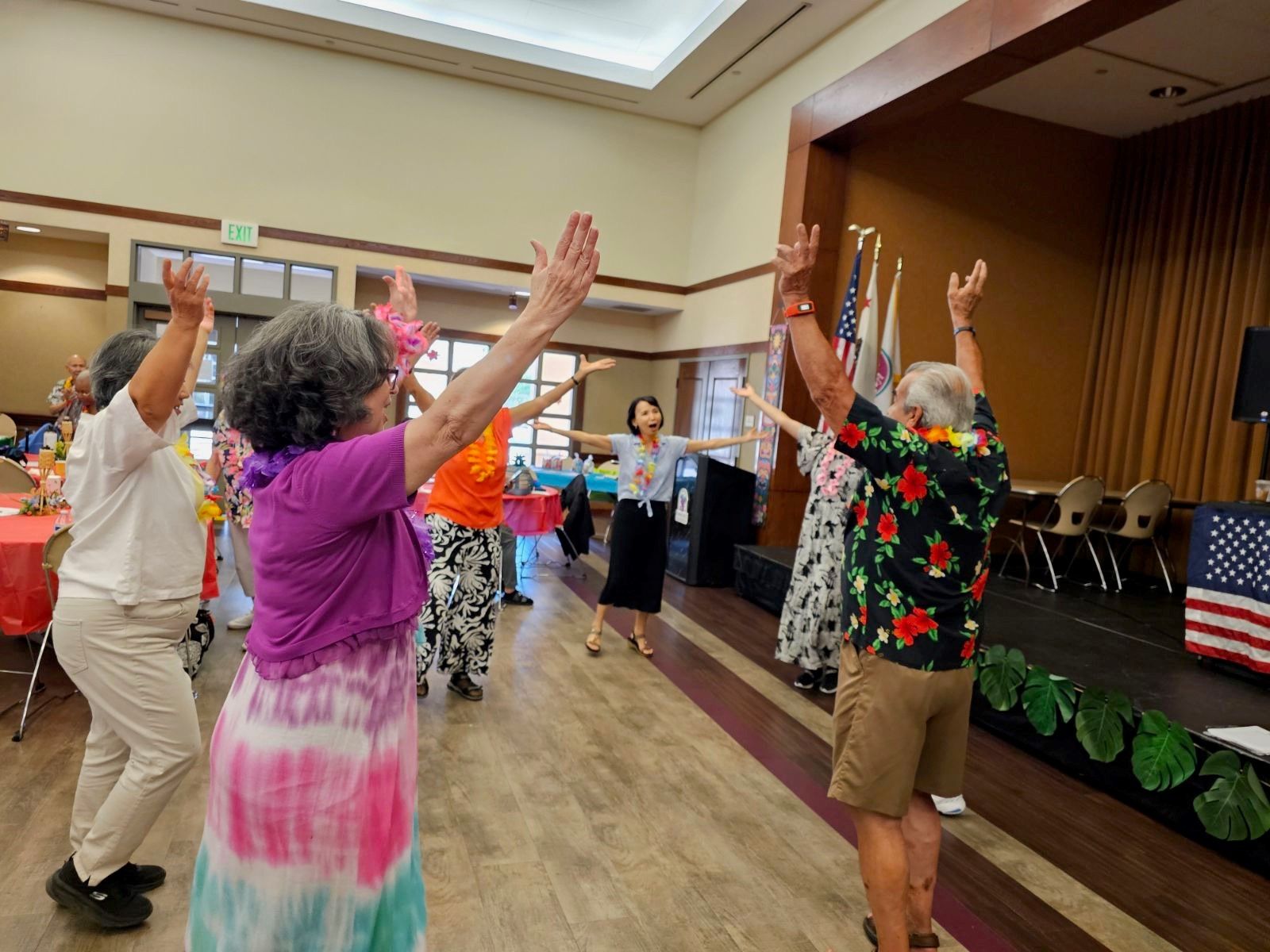
Recently, our members had the opportunity to hear from guest speakers Dr. Moqattash, Dr. Moto, and Tatiana from Primary Care. Their presentations covered important topics like dental care, health care, and overall wellness. One of the best moments of the visit was seeing our members get up and move.
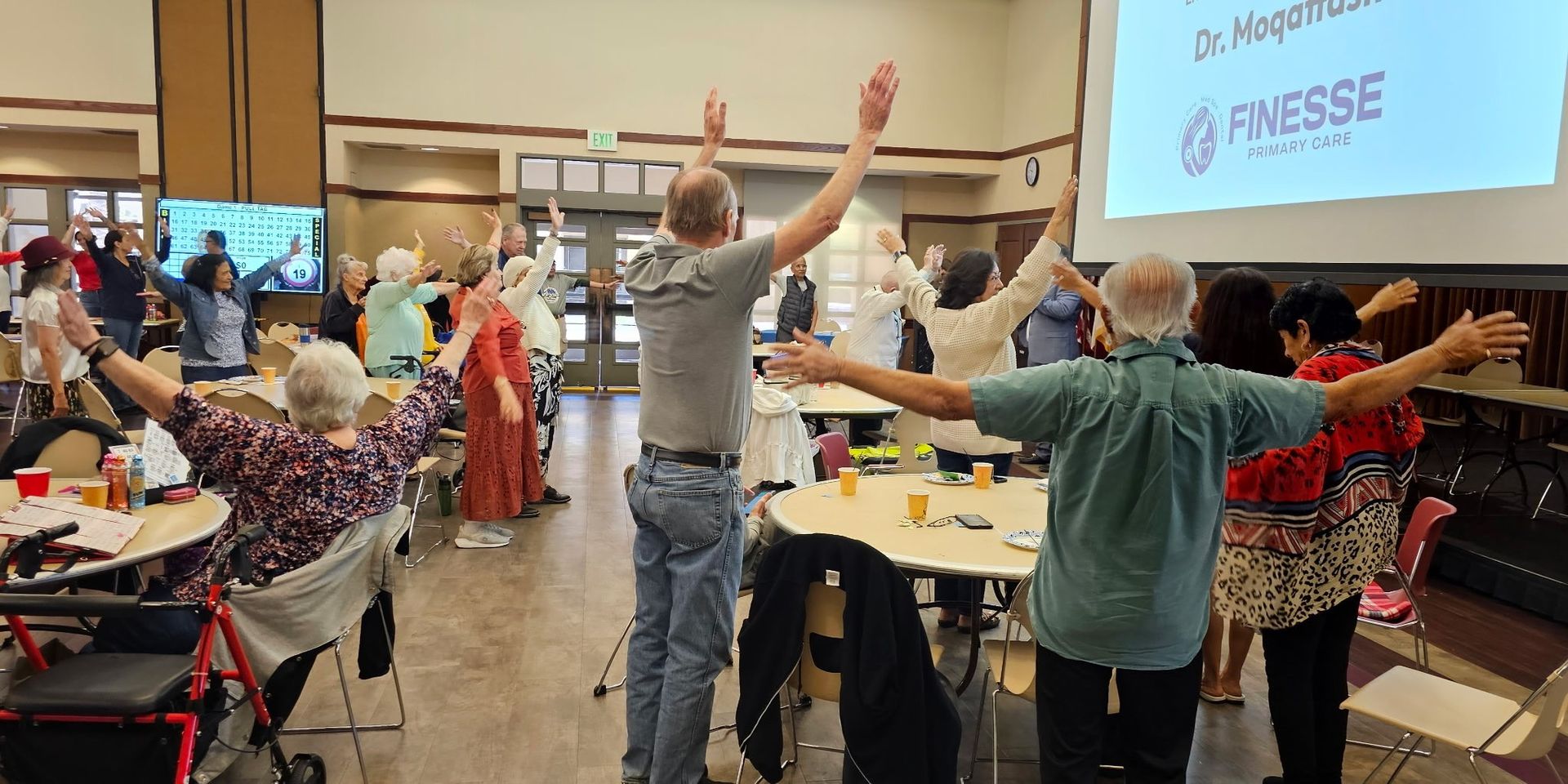
That simple moment is worth celebrating.
Movement is one of the most powerful tools seniors can use to support healthy aging. It does not have to mean intense workouts or complicated routines. Walking, stretching, dancing, chair exercises, balance practice, light strength activities, and gentle group movement can all make a meaningful difference.
Seniors Benefit from Aerobic, Strength, and Balance Activities
The Centers for Disease Control and Prevention recommends that adults age 65 and older include three types of movement each week: aerobic activity, muscle-strengthening activity, and balance activity. [2]
- Aerobic movement includes activities that raise the heart rate, such as walking, dancing, swimming, or low-impact exercise classes.
- Strength activities help keep muscles working well. These may include resistance bands, light weights, sit-to-stand exercises, wall pushups, or guided chair exercises.
- Balance activities are especially important for older adults because they help reduce the risk of falls. These may include heel-to-toe walking, standing from a seated position, gentle yoga, tai chi, or supervised balance practice.
The good news is that movement can be adapted for different ability levels. For some people, movement may happen while standing. For others, seated exercises may be the safest and most comfortable place to start.
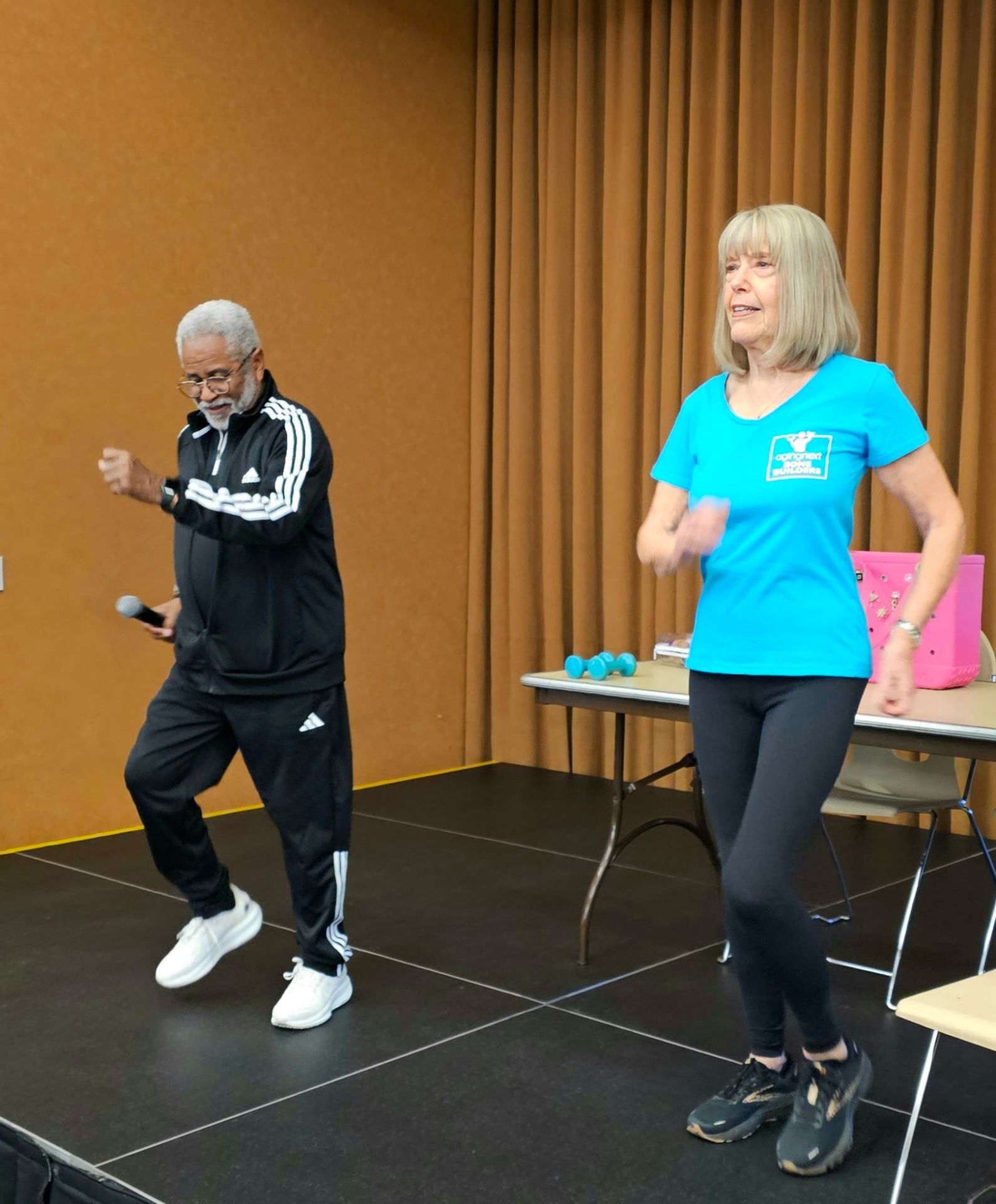
Movement Helps Support Quality Living
This is the reason movement programs, guest speaker demonstrations, and senior wellness activities are so valuable. When seniors practice safe movement in a supportive setting, they are not just exercising. They are building strength for better living and enjoying time with the community.
- Falls are a major concern for many seniors and their families. A fall can affect confidence, mobility, and independence. The U.S. Preventive Services Task Force recommends exercise interventions to help prevent falls in adults
- Movement Supports Brain Health and Mood. The CDC states that regular physical activity can help reduce the risk of dementia, Alzheimer’s disease, and depression.
- Physical activity can also help with sleep, thinking, learning, and judgment skills.
- Regular physical activity is connected to a lower risk of several major health concerns, including heart disease, stroke, type 2 diabetes, and some cancers.
- Movement Supports Independence. Regular physical activity helps support the muscles, bones, joints, balance, and endurance needed for everyday life.
The National Institute on Aging notes that exercise and physical activity can help older adults maintain strength, improve balance, and support daily activities. That matters because independence is not just physical. It is emotional, social, and deeply personal.
For seniors, that does not mean everyone needs to do the same routine. It means that safe, regular movement should be viewed as part of a whole-person approach to wellness.
Small Movements Still Count
One of the most encouraging messages from public health guidance is that some movement is better than none.
Not everyone can immediately meet the recommended amount of weekly activity. Some people are starting again after illness, surgery, injury, caregiving stress, or a long period of inactivity. Others may be managing chronic conditions or mobility limitations.
That is okay.
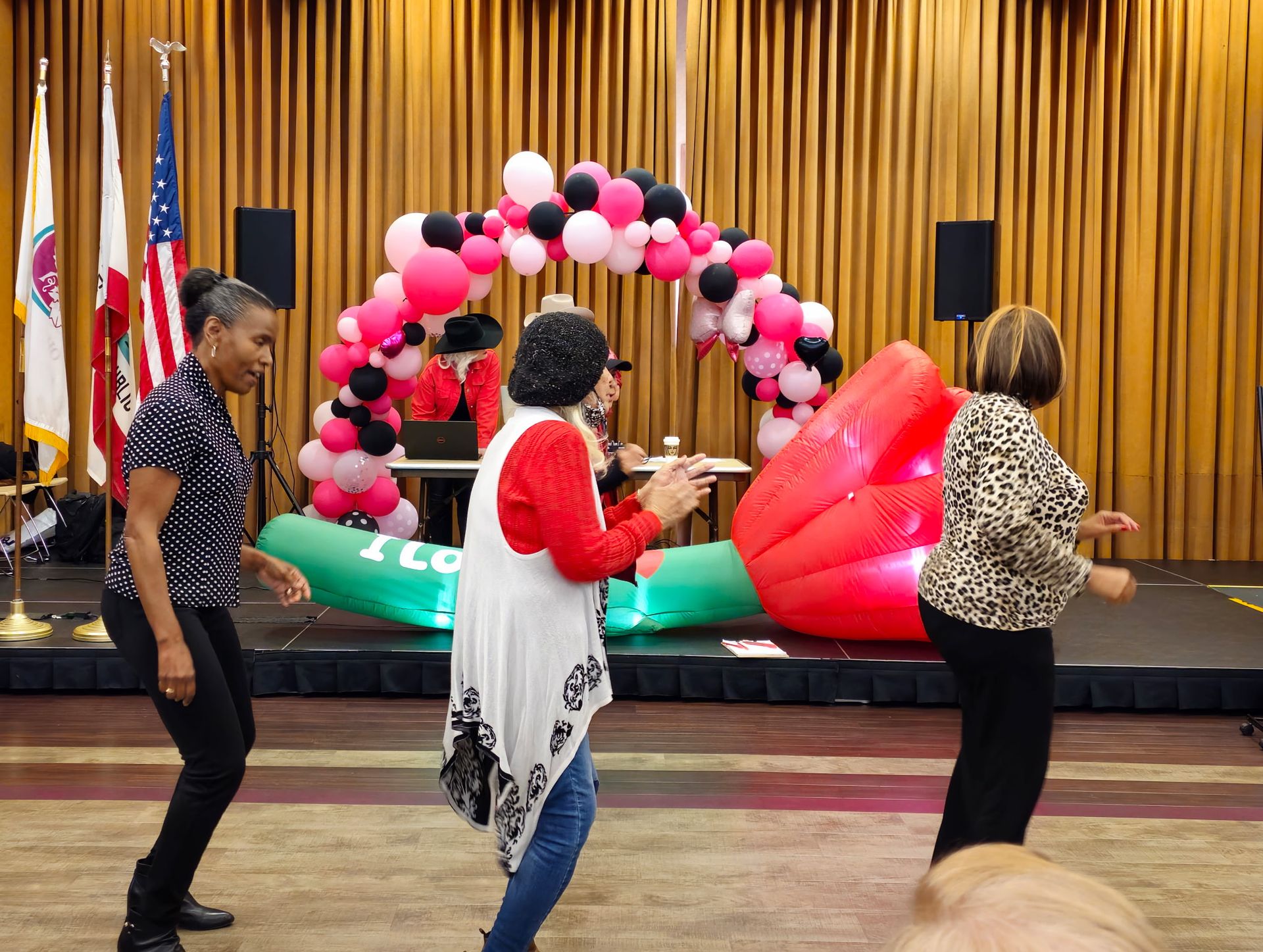
A short walk, a few minutes of stretching, standing up during the day, joining a gentle class, or participating in movement during a community event can all be steps in the right direction.
The goal is not perfection. The goal is progress.
Movement Is Better Together
Community makes movement easier.
When seniors move together, it can reduce isolation, create accountability, and make wellness feel enjoyable instead of intimidating. A group setting can also help seniors discover new activities, ask questions, and feel encouraged by others who are working toward similar goals.
That is why our events and presentations matter. Health education is valuable, but when education turns into action — when members get up, participate, laugh, stretch, and move — the message becomes real.
A Simple Reminder for Our Members
Before beginning a new exercise routine, seniors should talk with their health care provider, especially if they have chronic conditions, balance concerns, pain, recent surgery, or a history of falls.
But for many older adults, the path toward better health can begin with a simple question: How can I move a little more today than I did yesterday?
At VIP Seniors Rancho, we are proud to support programs, conversations, and guest speakers that encourage healthy aging, connection, and confidence. Movement is not just exercise. It is a way to protect independence, support wellness, and keep participating in the life we love.
Sources
[1] National Institute on Aging — Health Benefits of Exercise and Physical Activity
[2] Centers for Disease Control and Prevention — Older Adult Activity Guidelines
[3] U.S. Preventive Services Task Force — Falls Prevention in Community-Dwelling Older Adults
[4] Centers for Disease Control and Prevention — Physical Activity Benefits for Adults 65 or Older
[5] Centers for Disease Control and Prevention — Benefits of Physical Activity
[6] World Health Organization — Physical Activity Fact Sheet